
Components & engineering
Faucet Cartridges: What Importers Should Check Before Ordering
A practical faucet cartridge guide covering valve types, stem and handle fit, seals, assembled-faucet testing and replacement parts for importers.
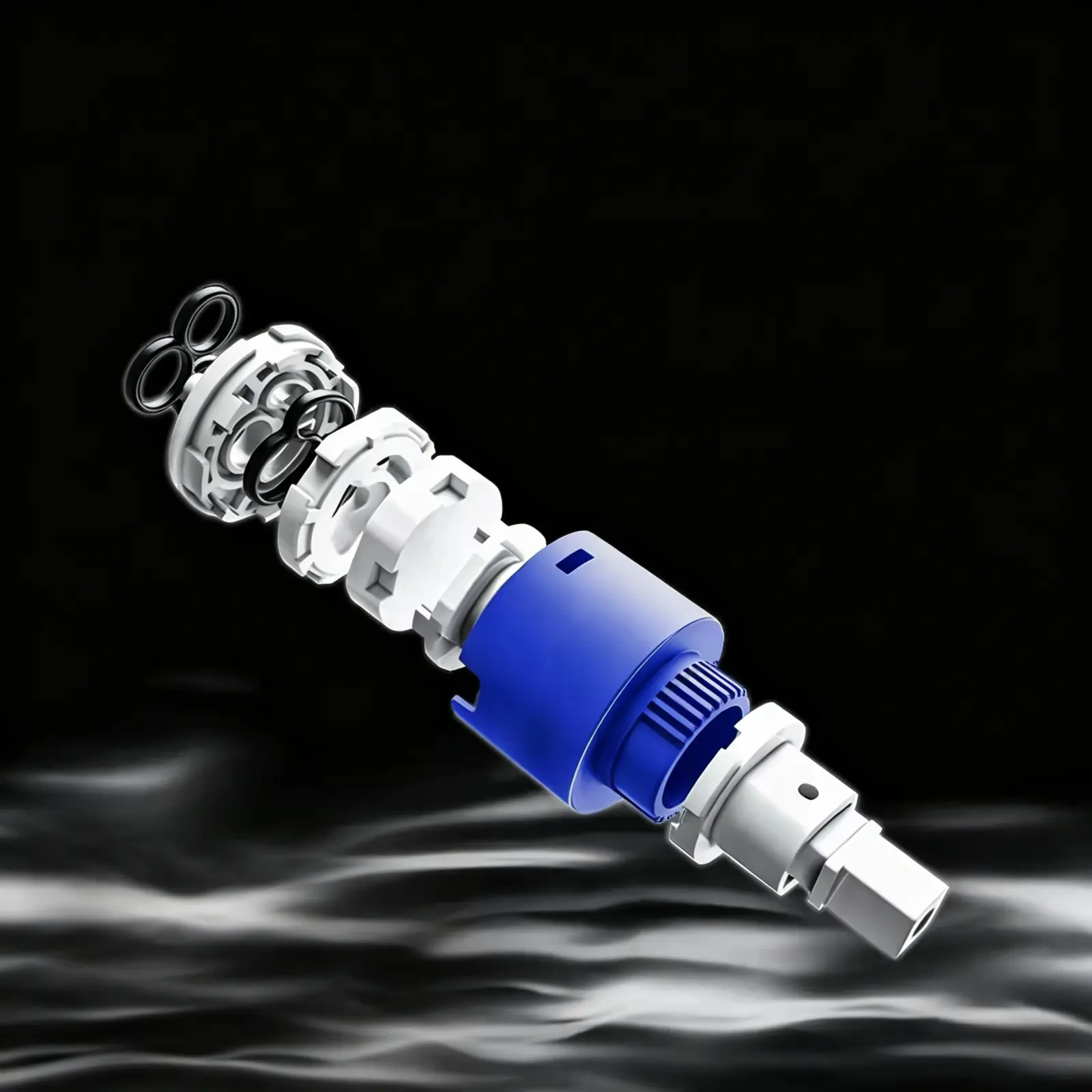
The cartridge is a small valve assembly with a large influence on faucet operation. It helps control shutoff, flow and, in mixers, temperature. Cartridge selection matters alongside body quality, seals and assembly: a leak or stiff handle can have more than one cause.
This guide explains what a cartridge does, the common types an importer will encounter, and — most importantly — the specific things you should check and ask before you confirm an order. It is written for importers, private-label brands and wholesale buyers who do not need an engineering lecture, but do need to avoid expensive surprises.
TL;DR
| Question | Short answer |
|---|---|
| What is it? | The internal valve that controls water flow and temperature |
| Why it matters | It influences shutoff and handle feel; seals and assembly also matter |
| Main types | Single-lever, dual-handle pair, thermostatic, diverter |
| What to check | Source stability, seal materials, spline and handle fit, life testing of the assembled faucet |
| Biggest misconception | A branded cartridge inside a badly matched body is not automatically a good faucet |
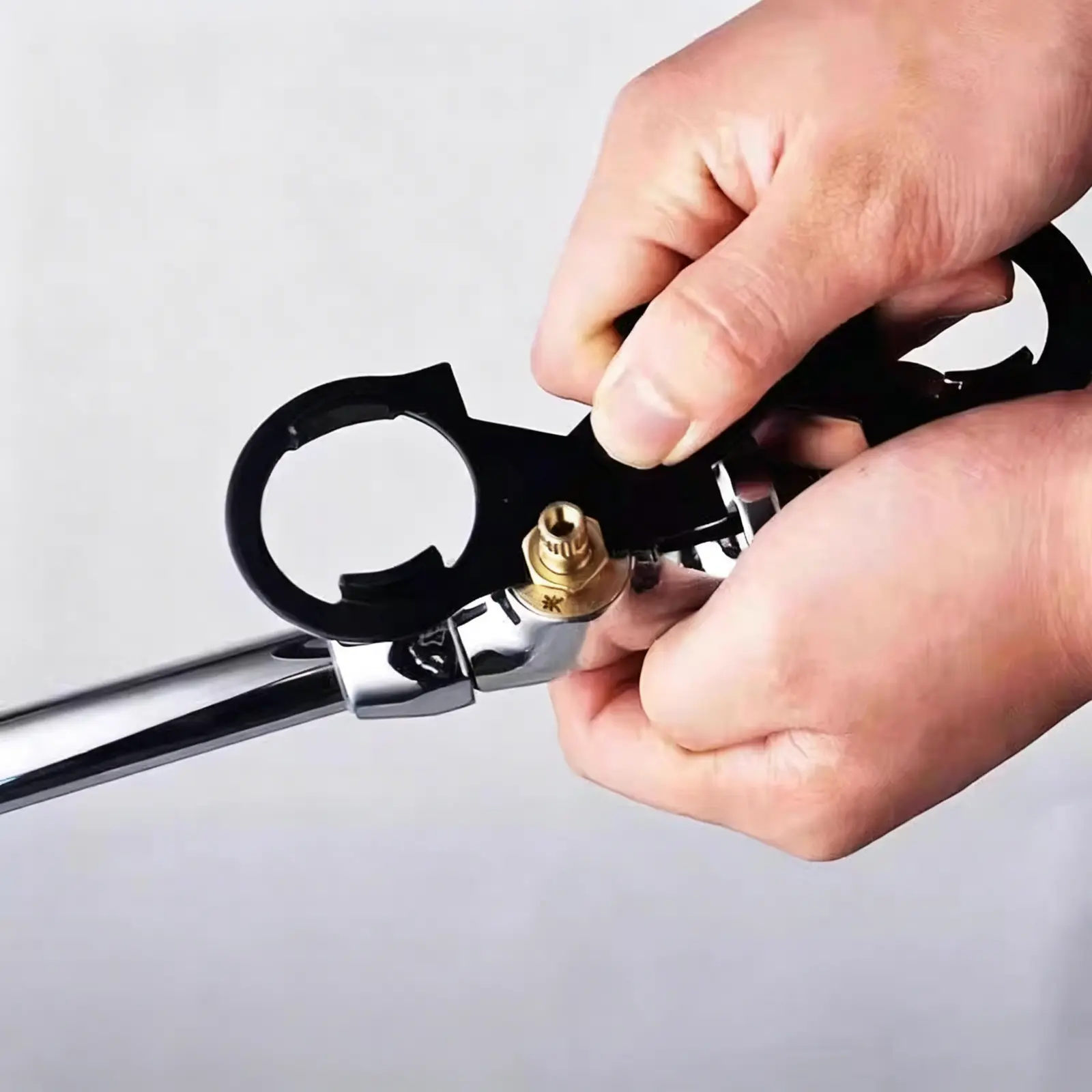
What a Cartridge Actually Does
In a typical ceramic-disc mixer cartridge, moving the handle changes how openings in two discs overlap. This regulates flow and mixes the supplies. Closing the valve brings the sealing surfaces into the shutoff position. Other valve designs use different mechanisms.
The cartridge must work within its specified pressure, temperature and water-quality conditions. Stem shape, mounting geometry, seals and assembly torque all affect the finished faucet's performance. A good component cannot compensate for an incorrectly matched or assembled body.
Ceramic Discs: Why the Industry Moved This Way
Ceramic-disc valves use hard, finely finished sealing surfaces that can resist wear through repeated operation. Traditional compression valves seal differently, by pressing a washer against a seat.
Ceramic designs are not immune to grit, scale or damaged seals. Hard water still calls for appropriate maintenance, and debris should be controlled during installation. Evaluate the complete cartridge and faucet under the intended conditions instead of assuming ceramic alone guarantees a service life.
The Cartridge Types Importers Will Meet
Single-lever cartridges. Common in kitchen and basin mixers. Handle motion and geometry vary by design. Confirm the stem profile, mounting, operating clearance and seals. An adjustable temperature stop can limit handle travel, but it is not a substitute for a suitable thermostatic or other certified anti-scald system.
Dual-handle pairs. Each valve controls one supply. Confirm opening direction, hot/cold identification, mounting and consistent operating feel.
Thermostatic cartridges. A temperature-sensitive element adjusts the mix within specified operating conditions. Performance depends on supply temperatures, pressures and the complete valve design. Safety-critical applications need the appropriate product standard and verified safety functions, not just the word thermostatic.
Diverters. These switch water between outlets or flow modes, depending on the faucet design. Check switching force, positive engagement, leakage and operation across the specified pressure range.
What to Check Before You Order
Where the cartridge comes from, and whether that source is stable. The cartridge market includes well-known specialist manufacturers and a long tail of generic suppliers. Neither is automatically wrong, but churn is: if your supplier quietly switches cartridge sources between orders, the spline, mounting and feel can change without anything on the invoice showing it. Ask directly, and put cartridge-source stability into your purchase specifications.
Seal materials and hard-water suitability. Ask which elastomers are used for the O-rings and seals, and whether the cartridge is suited to hard water. For markets with aggressive or heavily scaled water, this question is not optional.
Stem and handle fit. Some stems are splined; others use different profiles. Confirm dimensions, engagement and fastening against the component drawing. Evaluate play and operating force using the agreed method rather than improvised overload testing.
Life testing of the assembled faucet — not just the cartridge alone. A cartridge can pass its own bench test and still fail inside a particular body because of misalignment, over-tightening during assembly, or debris from machining. Ask whether the factory life-tests the finished faucet, and whether they can share the test procedure (though not every factory will share detailed results — see our guide on how to read a faucet test report).
After-sales availability. For brands and retailers, the question arrives a year after launch: can you buy matching replacement cartridges so customers can repair rather than replace? Factories that plan for this win long-term channel loyalty.
Common Specification Mistakes
The most expensive mistake is treating the cartridge as a commodity to be specified at the lowest price. The second is judging samples only by look and first-touch feel, without cycling the handle repeatedly and checking the off-position for a clean stop. The third is ordering a customized handle design without confirming the spline engagement, then discovering handle breakage in the field.
One more, subtler than the rest: mixing cartridge families. Some buyers ask a factory to fit a locally purchased cartridge into an imported body to save cost. Seat dimensions, mounting geometry and spline profiles differ between families, and the result is a faucet that works on the bench and fails in the box. A replacement combination needs dimensional review and validation of the assembled product.
When Paying More for a Cartridge Makes Sense — and When It Does Not
Higher-use projects can justify stronger durability requirements, carefully selected seals and a defined spare-parts plan. Where temperature safety is required, specify and validate the relevant safety function in the complete assembly.
Spend according to the intended duty. A premium cartridge does not repair weaknesses in body construction, component fit or production control. Treat the body, cartridge, finish and inspection plan as one specification; our stainless steel versus brass guide explains the material side of that decision.
About MAXTEN
MAXTEN supplies faucet series for importers, distributors and private-label brands, backed by Risheng Sanitary Ware Factory's manufacturing capabilities since 2002. Our focus is kitchen and basin faucets and related faucet sourcing requirements.
Share your handle design, target market and replacement-cartridge requirements. Contact maxten_mr.lin@maxten.cn or send an inquiry.
Frequently Asked Questions
What does a faucet cartridge actually do?
It controls shutoff and flow and, in a mixer, the blend of hot and cold supplies. Leakage can also originate in seals, the body or assembly, so diagnosis should cover the whole faucet.
Are ceramic disc cartridges better than older rubber-washer designs?
Ceramic discs can provide wear-resistant sealing surfaces. Their performance still depends on clean water, suitable seals, correct assembly and maintenance; they are not immune to scale or debris.
What should I ask a supplier about cartridges?
Confirm the component source and change controls, seal materials, stem and mounting geometry, assembled-faucet testing and compatible replacement parts.
Can I mix a cartridge from one supplier with a body from another?
Only after confirming dimensional and material compatibility and validating the complete assembly. Matching a nominal size alone is insufficient.
YOUR NEXT SOURCING DECISION
Discuss the right faucet for your market.
Share your product specification, finish and target market with the MAXTEN team.